


 Arun Kumar
 Key Takeaways
- Use a stable grip and body posture to reduce camera shake.
- Control breathing and elbow positioning for steadier shots.
- Use camera straps or nearby surfaces for extra support.
- Apply movement techniques like the “ninja walk” for smoother handheld video.
You can hold a camera steady without a tripod by using proper hand grip, body positioning, and external support. Hold the camera firmly with both hands, tuck your elbows into your body, and press the camera against your face or chest. Stabilize yourself with controlled breathing, strap tension, or nearby surfaces like walls or tables.
What Is the Correct Way to Hold a Camera Without a Tripod?
A proper grip is the first step to reducing camera shake.
Follow this basic technique:
- Hold the camera body with your right hand.
- Place your left hand under the lens to support the weight.
- Keep palms facing upward to stabilize the lens.
- Tuck elbows into your torso to minimize movement.
- Press the camera gently against your forehead or face for a third point of contact.
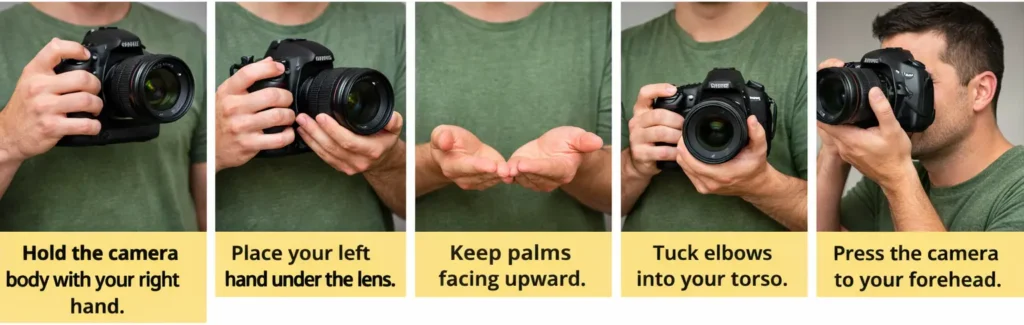
This three-point stabilization helps keep the camera steady during handheld shooting.
📷 Explore DSLR Cameras for Better Photography
If you want sharper photos, better low-light performance, and professional-looking videos, explore the latest DSLR cameras available online.
View DSLR Cameras on AmazonHow Should Your Body Position Improve Stability?
Your body acts as a natural support system when shooting handheld.
Use this stance:
- Stand with feet shoulder-width apart.
- Keep your knees slightly bent for balance.
- Lean slightly forward instead of backward.
This stance distributes weight evenly and reduces small movements that can blur photos or shake videos.
Can Breathing Control Reduce Camera Shake?
Yes. Breathing affects small body movements.
A simple method:
- Take a normal breath.
- Exhale slowly.
- Press the shutter at the end of the exhale.
This moment is when your body is naturally the most stable.
How Does a Camera Strap Help Stabilize Shots?
A strap can act as a tension stabilizer.
Try this:
- Shorten the strap slightly.
- Pull the camera forward while the strap rests around your neck or shoulder.
- The tension creates resistance that reduces shaking.
For lighter cameras or smartphones, a wrist strap can also provide additional support.
What Nearby Objects Can Replace a Tripod?
When possible, use surrounding surfaces to support the camera.
Common options include:
Place a cloth or soft item under the camera if resting it on a hard surface to allow smoother adjustments.
🔎 Looking for a Tripod Instead?
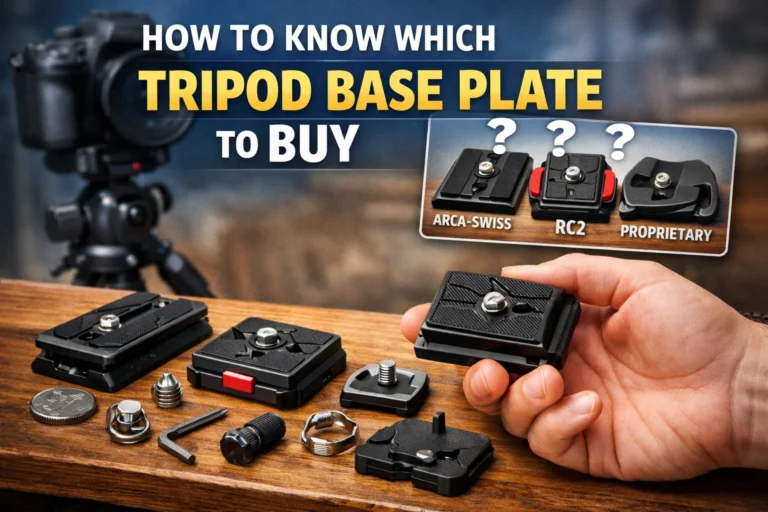
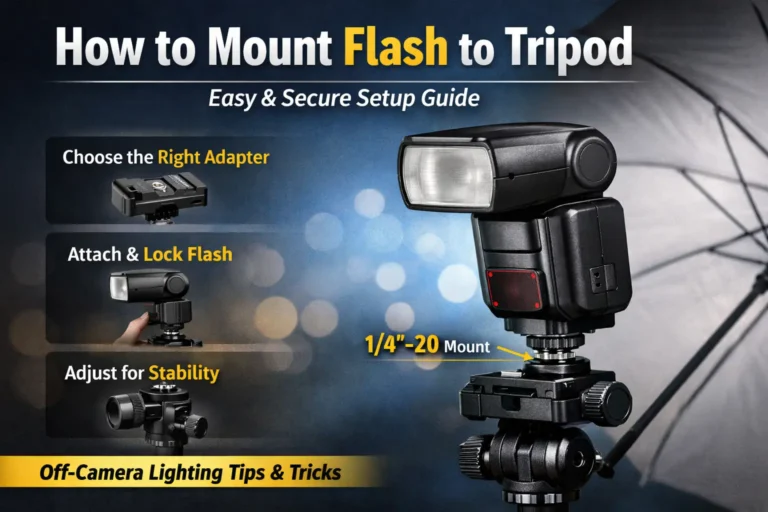
If handheld shooting feels difficult, a tripod can make your photos and videos much more stable. Explore these helpful guides:
How to Walk Smoothly While Holding a Camera?
For handheld video, use a controlled walking technique often called a “ninja walk.”
Steps:
- Bend your knees slightly.
- Walk heel to toe slowly.
- Keep hips level.
- Hold the camera close to your body or near your waist.
Adding weight to the bottom of the camera (like a battery grip) can also help balance the setup.
Conclusion
You do not always need a tripod to capture stable photos or videos. With the right grip, body posture, breathing control, strap tension, and nearby support, you can significantly reduce camera shake and improve handheld shooting results.
FAQs
Want to improve your photography and video stability even further?
Explore affordable tripods and stabilization gear that can help you capture sharper photos and smoother videos in any shooting condition.